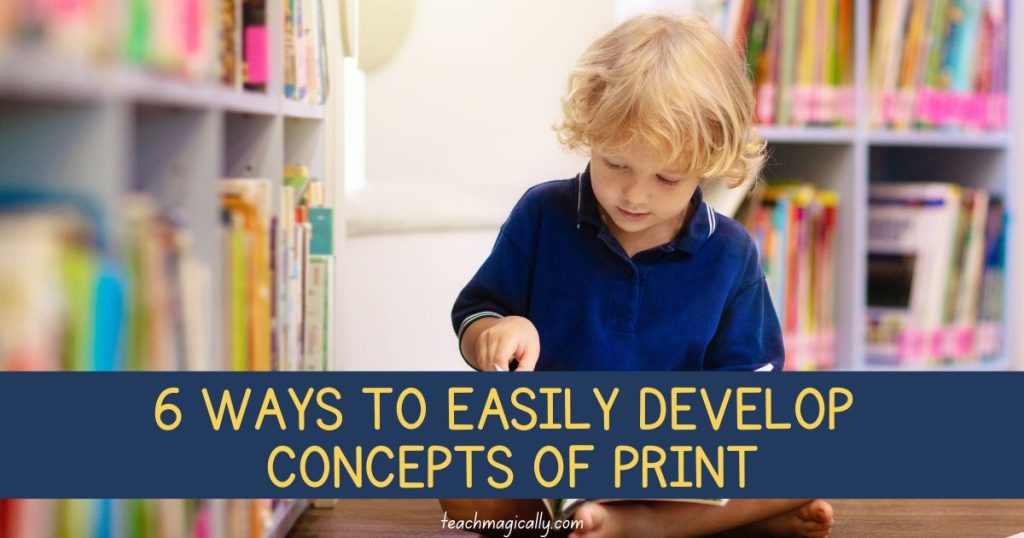
Have you ever wondered what you should do to help a child learn to read? It really starts with just reading….but there are simple, easy, important things to do as you read. These are called print concepts which are essential to reading and writing. So check out 6 ways to easily develop concepts of print to help beginning readers.
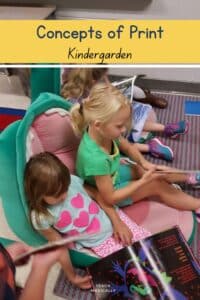
What are Concepts About Print?
Some of these include:
- left to right tracking of words
- top and bottom of the page
- front and back of the book
- front cover
- page numbers
- punctuation marks
- spaces between words
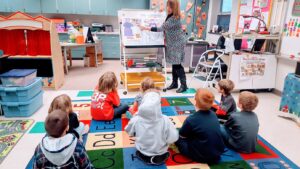
Reading “Big Books” is a perfect way to develop print concepts!
| Click to get a copy of ideas -> Concepts of Print Worksheet |
What can you do to help develop concepts about print?
1. Practice Print Concepts
Talking about words, letters, and stories develops print concepts that in short makes reading fun and engaging. Basically, you need model concepts of print and practice manipulating text whenever you can. Constantly focus on print when doing tasks throughout the day and provide varied, fun ways to practice reading. Click here to see fun ways to begin reading before words are known.
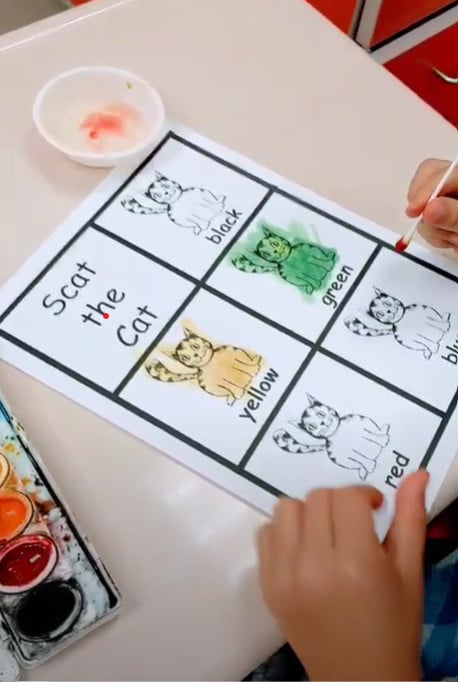
2. Read to develop print concepts
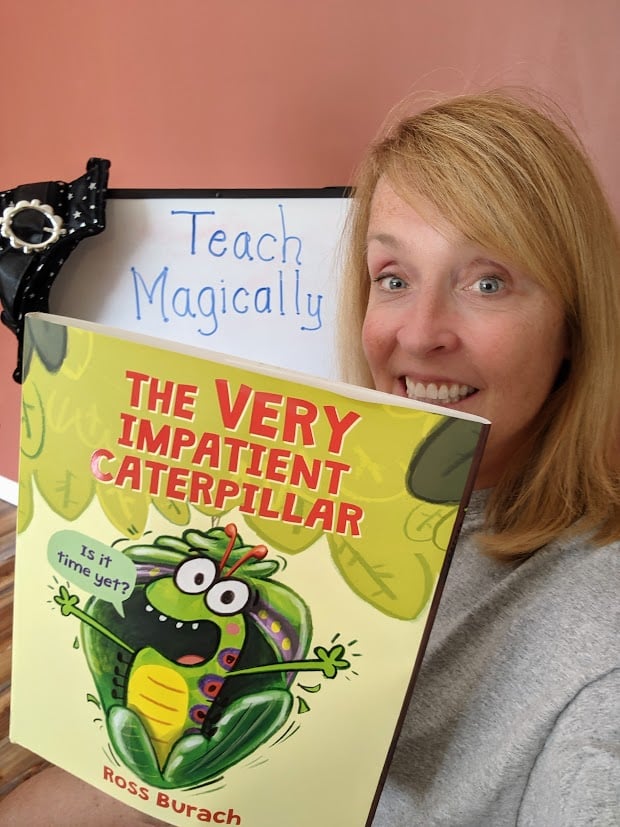
Constant exposure to different kinds of text plus understanding how print works will help develop the skills needed for kiddos to become successful readers. So be sure to read each day. Yes, it’s ok to read and reread the same book! Here you can see one of the kiddos favorites!
3. Look for Patterns in Print and Pictures
-
- repetitive sentence patterns (I see the . . . )
-
- sentence location on each page
-
- a common character located on each page somewhere (Mercer Mayer has a cricket, grasshopper, mouse, or spider on each page)
-
- In Goodnight Moon, Margaret Wise Brown has the mouse all around the room…and check out the clock.)
4. Sentence Construction
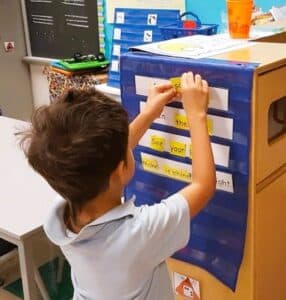
You can check out my Simple Alphabet Poems that I use to develop print concepts.
5. Write a Grocery List to Develop Concepts of Print
This is a perfect place to add paper and pencils to your kitchen play area. But be sure to explain to the students how to write the lists.
Some things to ask:
- “Should we put our first word at the top or the bottom?”
- “Will the first letter go on the right or the left?”
- “Should the K in Kix be upper case or lower case?”
6. Sight Word Work Sentence Building
Make everyday magical,