Click for FREE fine and gross motor ideas.
According to Understood.org: “We use fine motor skills to make small movements. These movements come so naturally to most people that we usually don’t think about them. Fine motor skills are complex, however. They involve the coordinated efforts of the brain and muscles, and they’re built on the gross motor skills that allow us to make bigger movements.”
Children benefit from experiences that support the development of fine motor skills in the hands and fingers. Strength and dexterity of kiddos hands and fingers needs to be developed before being asked to manipulate a pencil on paper. But we start writing right away in kindergarten so many children miss the development that is so important because we push them to write…but we can still work on these skills!
Working on dexterity and strength can help correct the development of an inappropriate pencil grasp. Working on fine motor skills in kindergarten is a necessity.
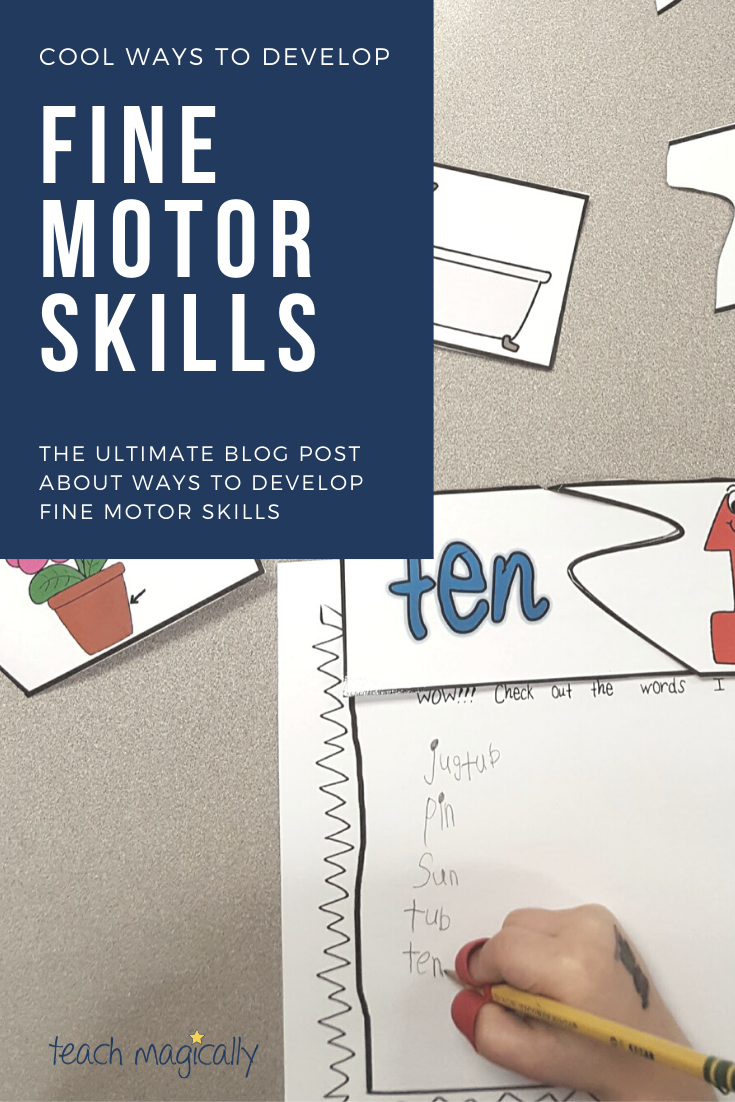 |
| Child holding Claw Pencil Grip |
What are some Easy Fine Motor Skills to develop?
- cutting with scissors –Free Cutting Reminder Page
- manipulating play dough
- holding and maneuvering a pencil
- getting dressed with zippers, buttons, and snaps
- using silverware while eating
- opening and closing latches
What are 8 Easy Fine Motor Activities for the Classroom?
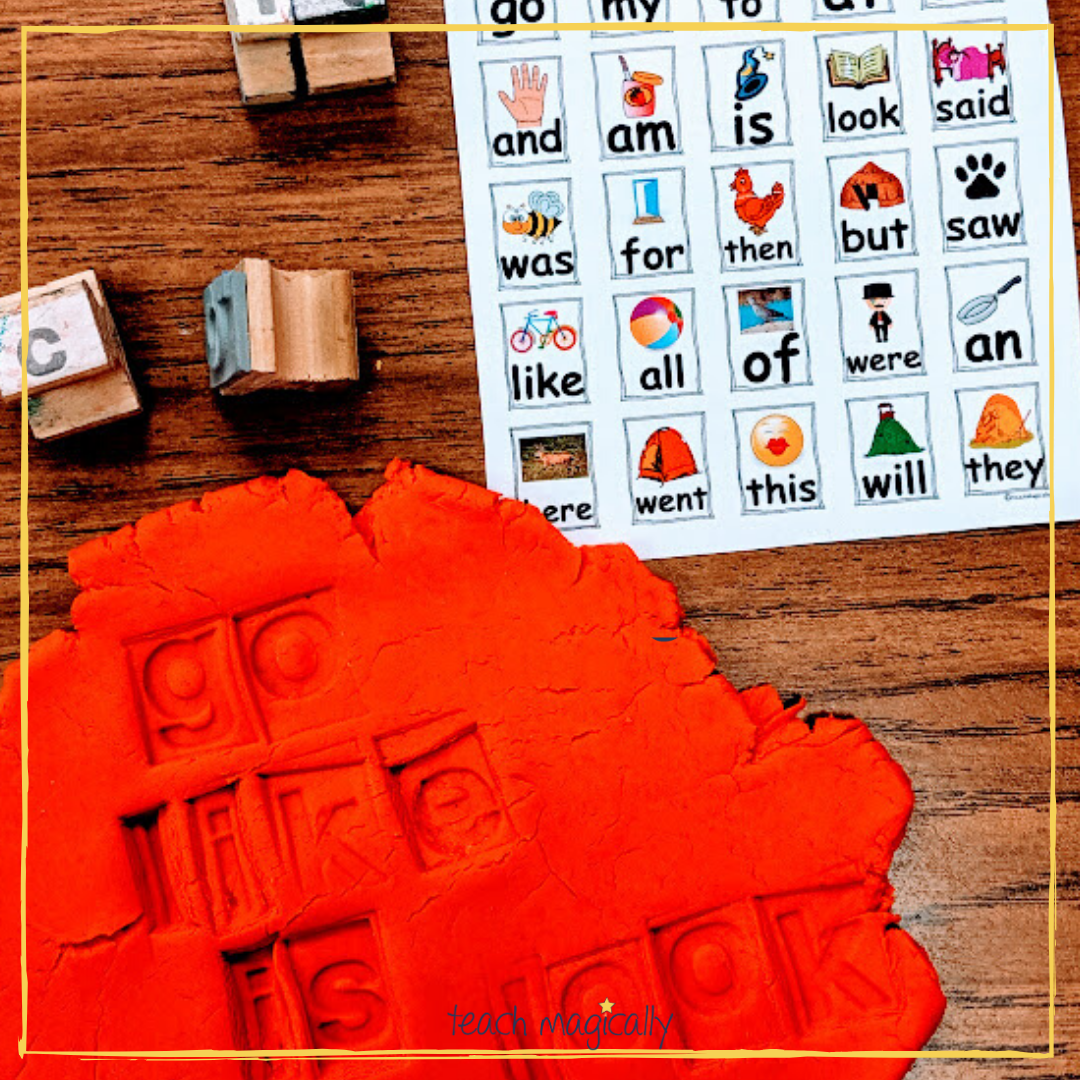
1. Play with Play-dough in the classroom
Encourage children to squeeze, stretch, pinch and roll “snakes” or “worms” with the play-dough to spell words and create letters. You can even have children cut the play-dough with scissors. We like to make pancakes and stamp sight words from our rhyming posters.
2. Tear Paper for Crafts
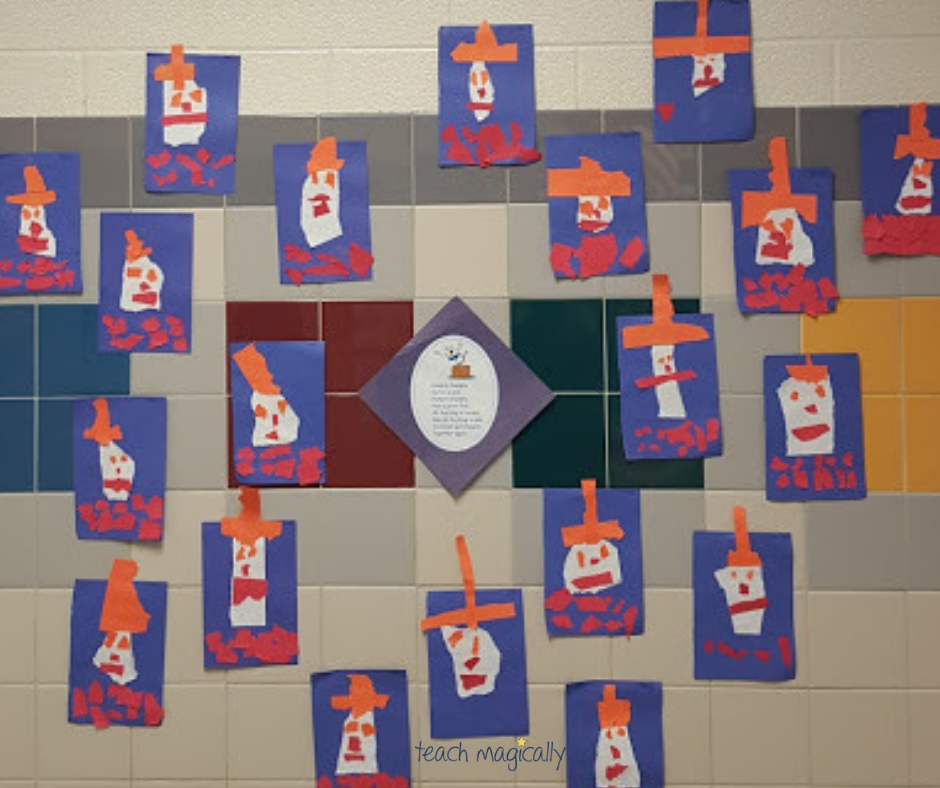
Paper tearing is an excellent way to develop fine motor skills. Above all be sure kiddos focus on using the thumb and pointer fingers to make “small” tears in construction paper. See ways to Teach Paper Tearing.
3. Painting with Qtips
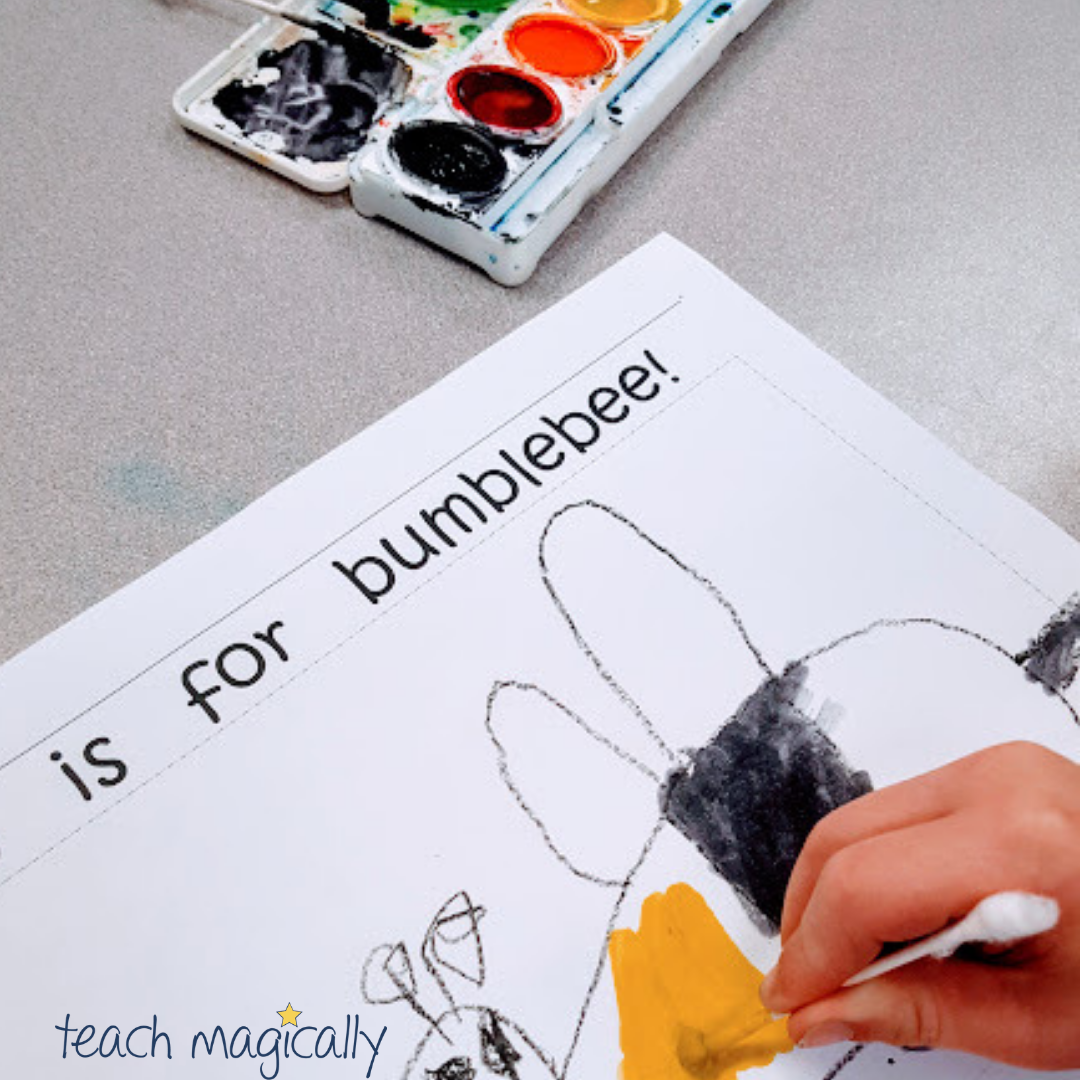
Different types of painting can help strengthen hand-eye coordination and also manual dexterity. Painting with a q-tips helps kids learn to hold with a pincer grip. Encourage 3 fingered grasp. Certainly read how to create these Bumble Bees.
4. Cut with Scissors for Fine Motor Work
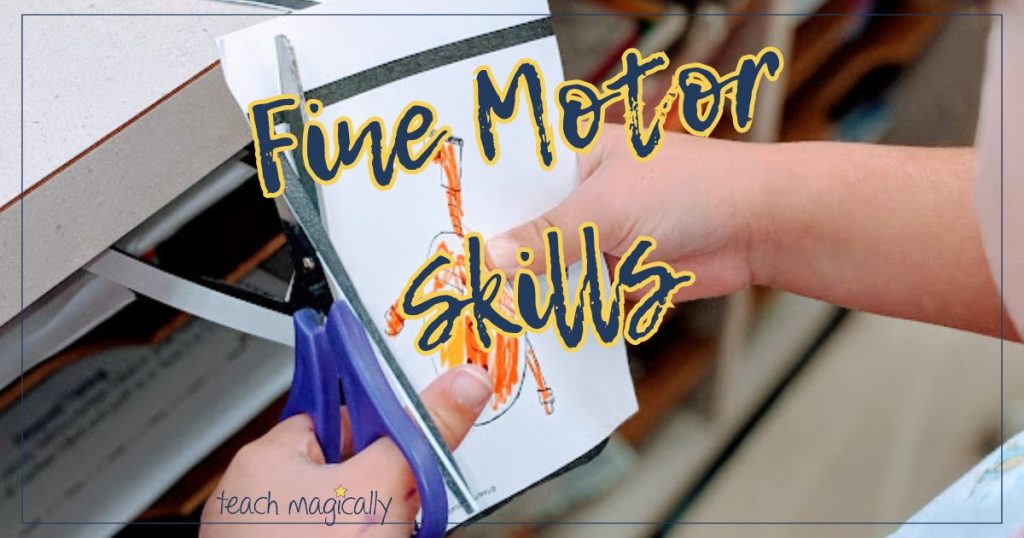
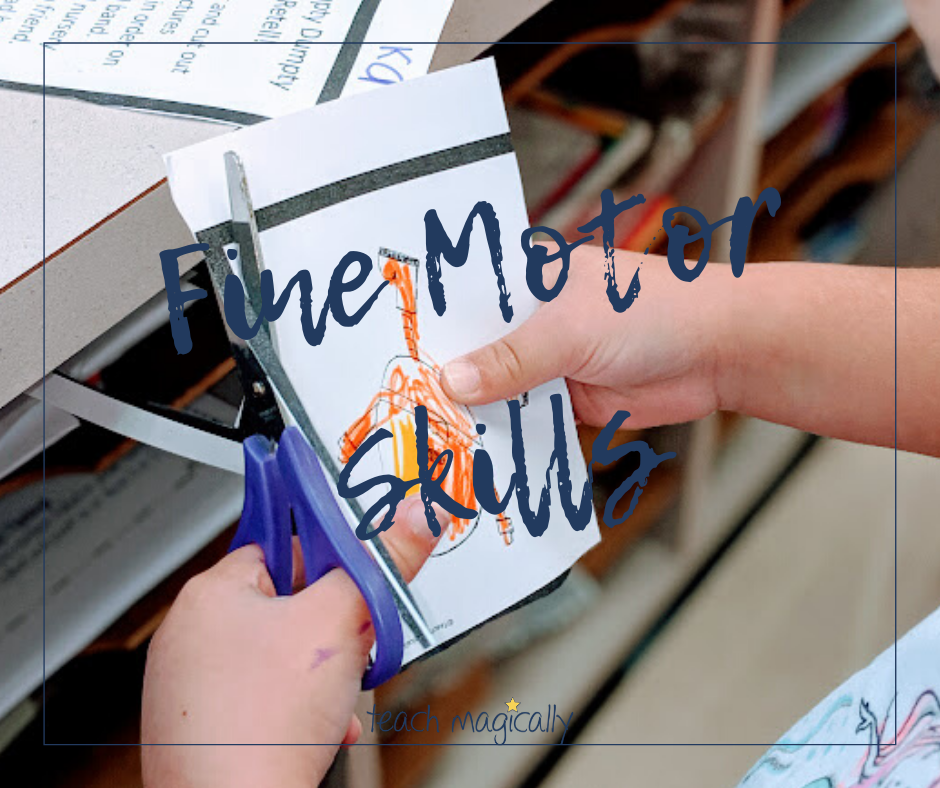
Use scissors to cut simple shapes, but remember straight lines are easier. Curved lines are more difficult. I try to have the students cut shapes to help retell stories and poems. Check out Humpty Dumpty.
Click to get Cutting Guide for reinforcement.
5. Copy Simple Shapes
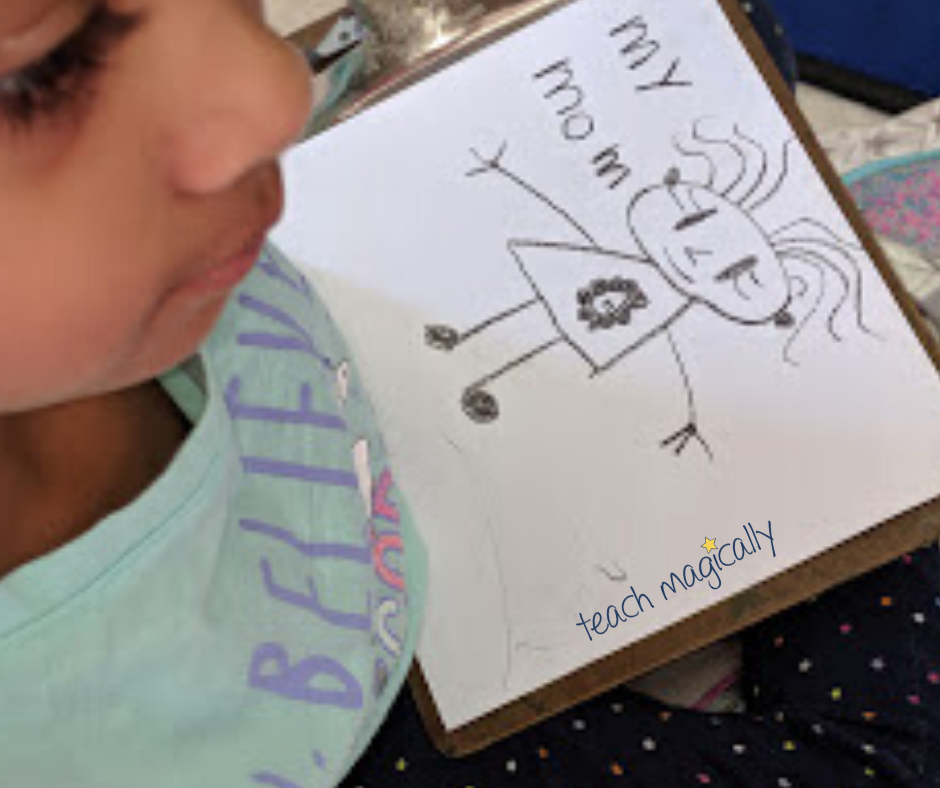
Once simple shapes can be made, pictures can then been seen. Drawing “myself” or mom is a perfect activity because “people” drawing includes many different shapes. A 3 fingered grasp of the pencil is desirable. Then have kiddos write and label the story! Generally, I use Rhyming Posters to help with writing of young readers or friends that have difficulty remembering how to spell.
6. Coloring within Lines
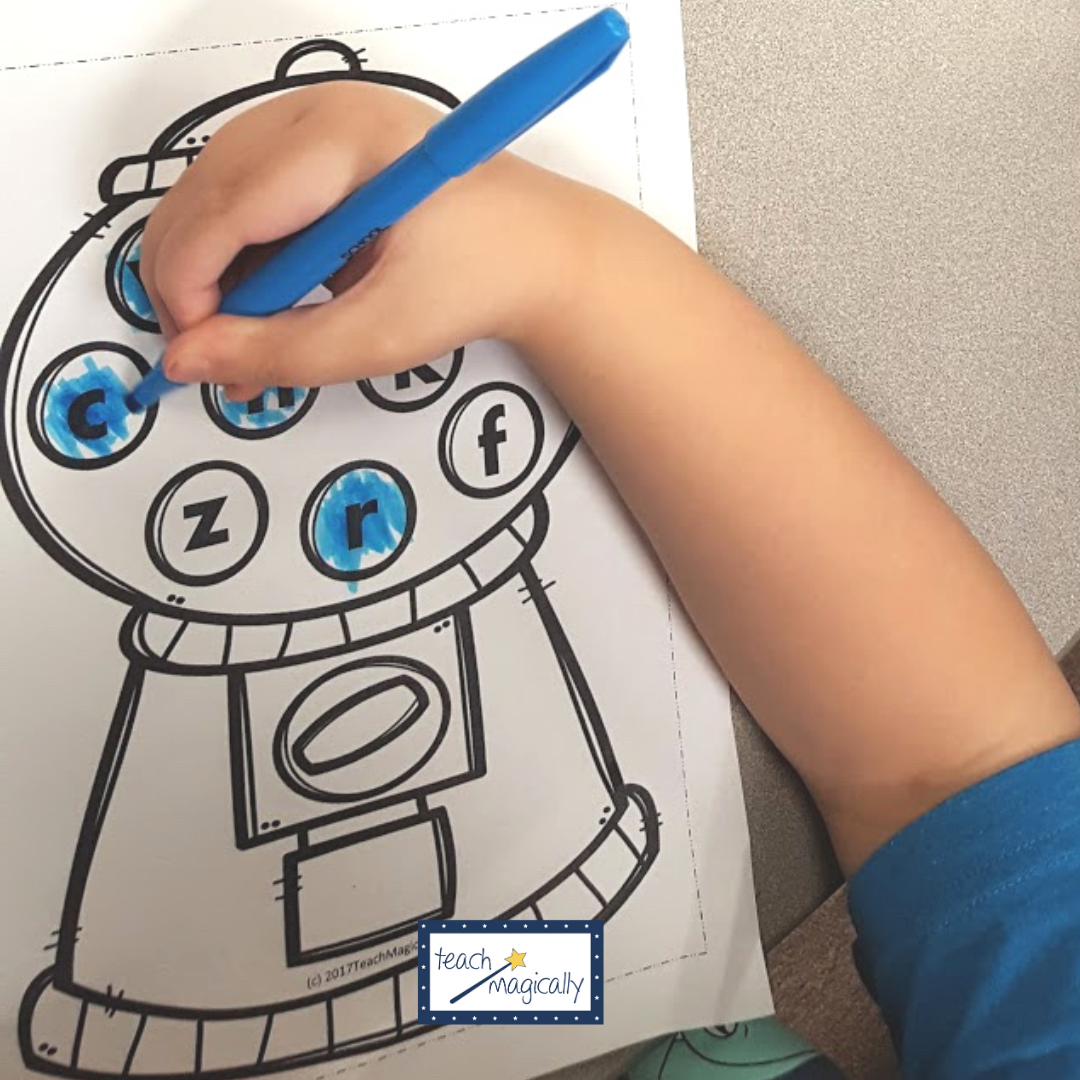
Teach kiddos how to slow down when coloring close to the line. Sometimes help is needed to focus on the paper and the lines. Have kiddos practice using the fingers for the movement of the crayon or pencils. You can explicitly encourage 3 fingered grasp with this fun Bubblegum Game to learn letters and then sounds.
7. Paste and Glue
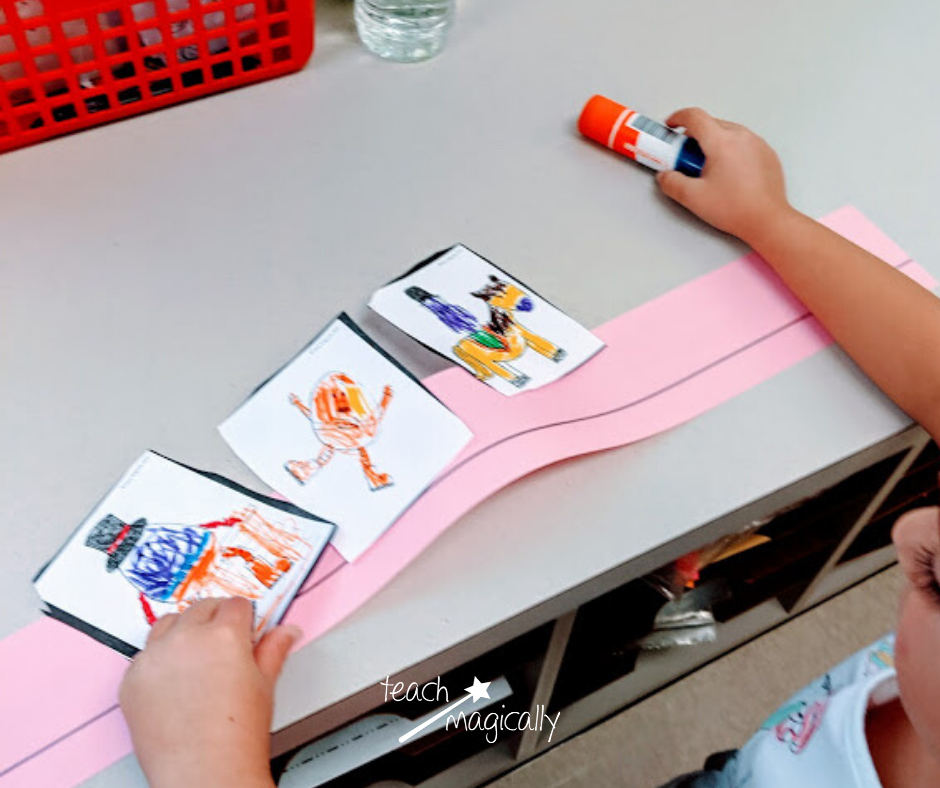
Using the glue and then placing shapes in relation to each other to make pictures helps develop fine motor skills. First cut out rectangles to sequence Humpty Dumpty, and then retell the nursery Rhyme to practice working auditory memory skills. So check other Humpty Dumpty Activities.
8. Connecting Building Blocks
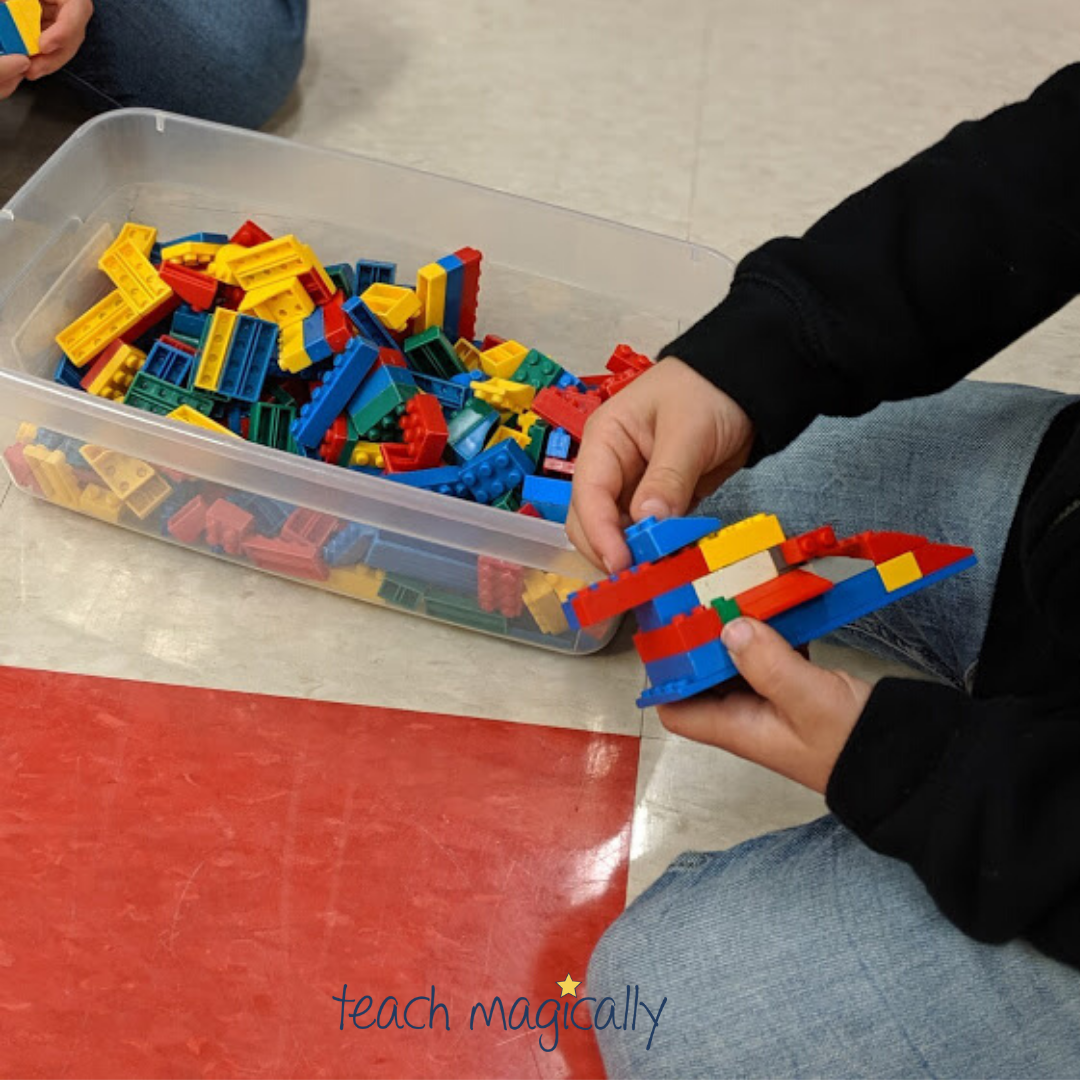
Putting these blocks together and then taking them apart works the finger muscles. The small blocks should be used as soon as the child stops putting things into their mouths. Brickyard brand has an alligator that helps remove the blocks… that is another perfect fine motor workout!
Check out other games at Teach Magically and be sure to follow Teach Magically so you can check out new games and ideas to help children learn. Please connect on Facebook, Instagram, and Pinterest.
Make every day magical,