

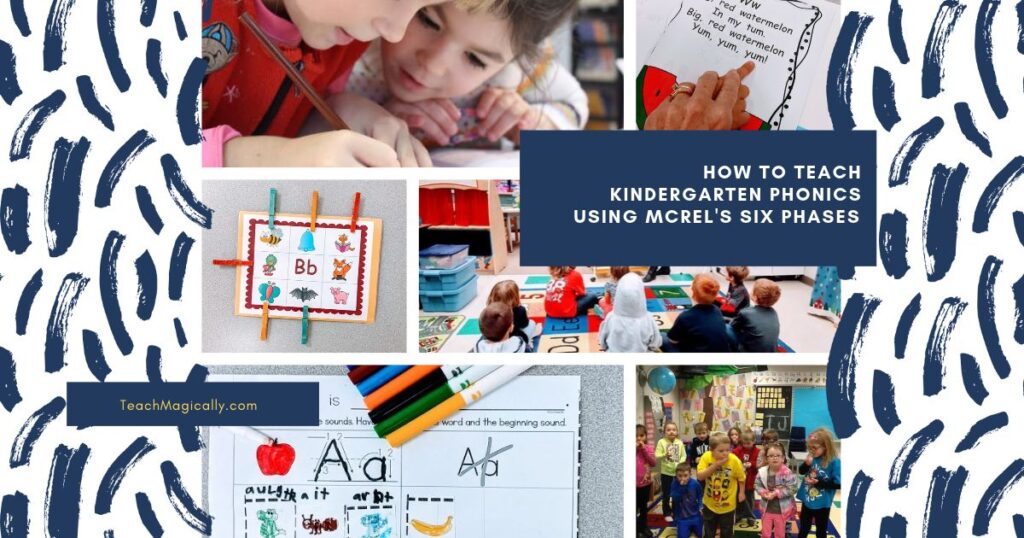
by Debora Marines MEQ
Have you been hearing the latest buzzword floating around district offices and teacher interviews?
The McREL Six Phases of Learning is taking center stage in early childhood education.
If you are wondering how on earth a high-level cognitive science framework translates to a room full of energetic five- and six-year-olds learning their ABCs, you are in the right place!
Older teaching frameworks often focused on a checklist of what the teacher does. McREL shifts the spotlight to what the student’s brain is doing. For kindergarten phonics, this means moving away from boring flashcard drills and moving toward active, brain-based processing.
Let’s look at how you can take this modern framework and use it to design a magical, step-by-step phonics lesson for the letter M. It’s easy to do by using a sweet alphabet poem and hands-on tools you probably already have prepped. So take a look at what I can use that is already in my classroom.
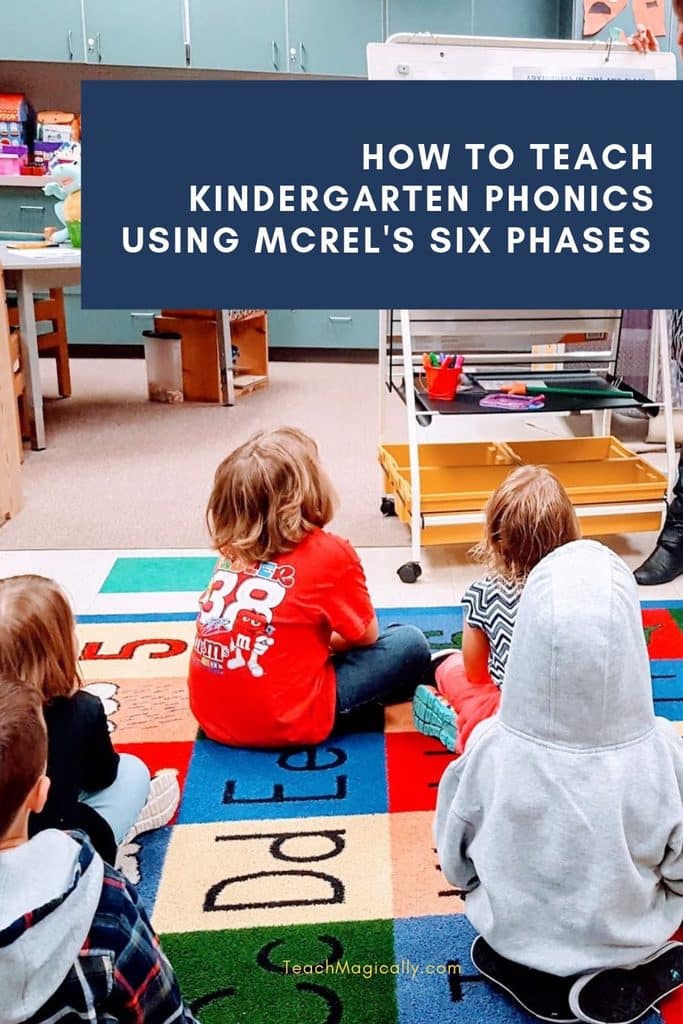
Phase 1: Become Interested (The Magical Hook)
The brain needs an emotional hook to turn temporary attention into real working memory. Instead of just holding up a plain letter card, pull out your favorite shared reading tool: a simple, rhythmic alphabet poem!
Gather your students on the rug and introduce your Letter M Poem with plenty of expression:
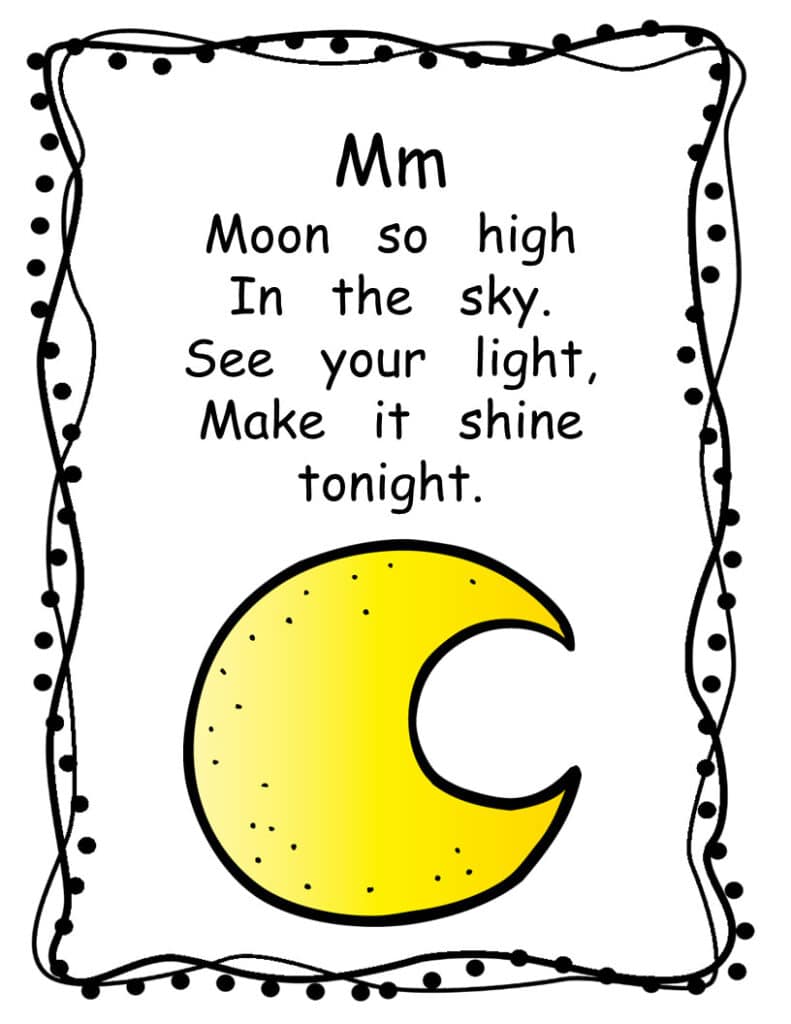
Turn off the main classroom lights and use a mini flashlight to shine a spotlight on the chart paper as you read it. Ask your students to rub their bellies and say “Mmmmm” every time they see or hear a word that makes that cozy sound. Suddenly, their brains are curious, engaged, and ready to learn.
Phase 2: Commit to Learning (Setting the Mission)
Before moving on, kiddos need to know their role in the lesson. Give them a clear, kid-friendly objective that gives them a personal stake in the outcome.
Tell your class: “Today, we are going to become Sound Wizards. By the end of our lesson, you are going to be able to catch the hidden /m/ sound in words, write its secret code, and sort out the trickster sounds that don’t belong!”
Phase 3: Focus on New Knowledge (Explicit Modeling)
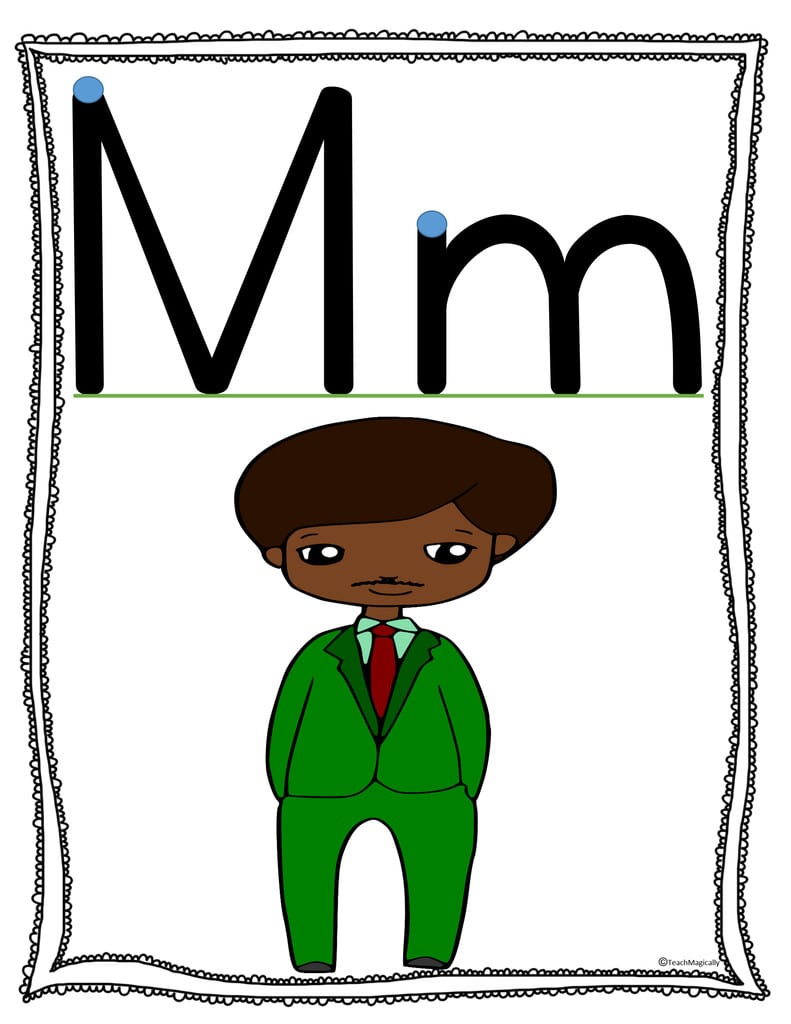
Now that their brains are primed and the mission is set, it is time for explicit modeling. Introduce the uppercase and lowercase M by displaying the alphabet letter card featuring the image of the man. This card serves as the ultimate visual anchor for their working memory.
To lock this new letter-sound connection into long-term storage, guide your students through a multisensory chant that connects the letter name, a concrete keyword, and the isolated phoneme. Have your students track the card and chorally say:
“M – man – /mmmm/.”
The Articulation Cue: Right before practicing the chant, build in a quick mouth-mapping routine to draw students’ attention to how the sound is physically produced. Because /m/ is a bilabial nasal sound, have students feel the mechanics of the phoneme.
Say to your students:
“Look at my lips. I press my lips tightly together to trap the air, and the sound vibrates right in my nose. Put your fingers on your nose and hum. Do you feel that? Now, let’s look at our ‘man’ card and say it together: M – man – /mmmm/.”
Teacher Tip: Be careful to clip the schwa! Ensure students are humming a continuous /mmmm/ rather than adding a vowel sound at the end to make it “/muh/.” Clipping the sound now prevents blending struggles when they start decoding words like mat or map later on.
Phase 4: Make Sense of Learning (Active Sorting)
To make sense of a new sound, the brain needs to immediately compare it to what it already knows. This is where you bring in high-yield visual sorting.
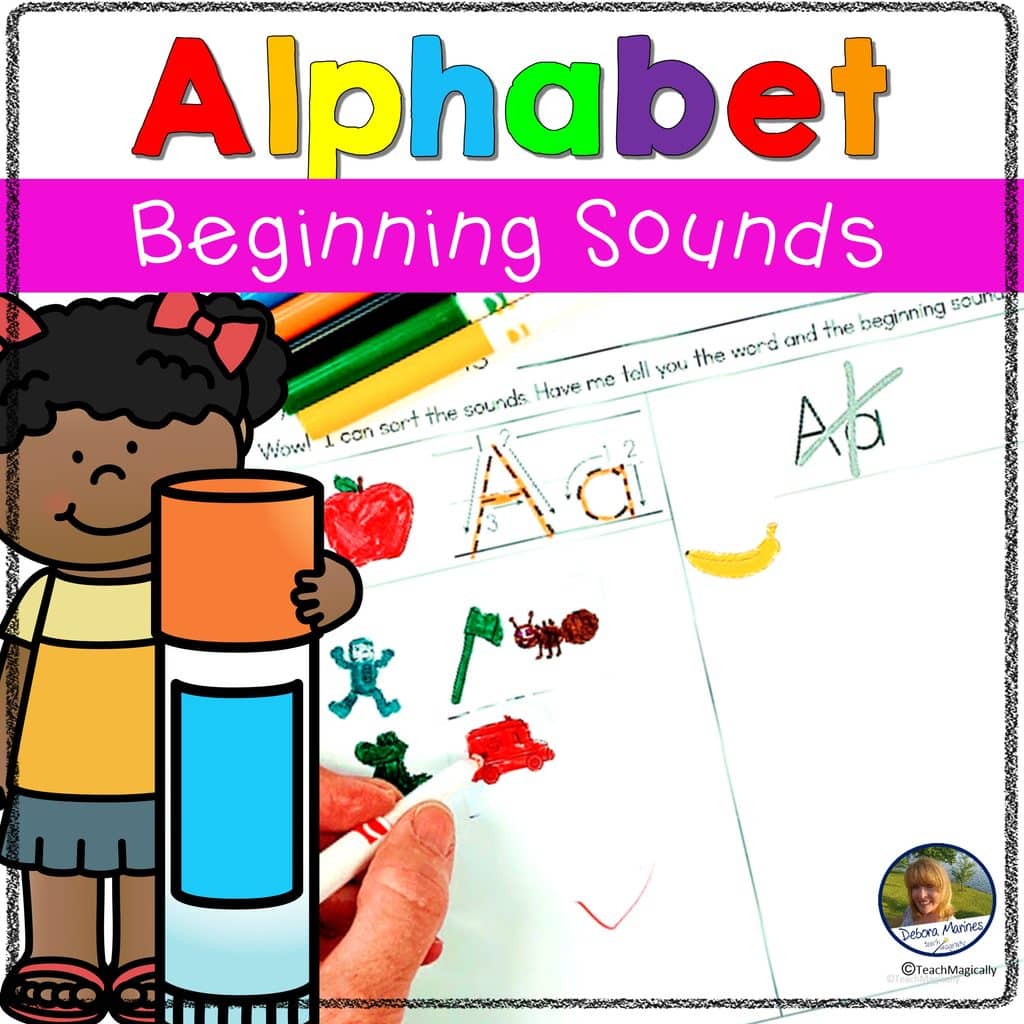
Grab an 8.5 x 11 Alphabet Phonemic Awareness Beginning Sounds Poster. This poster is perfect because it gives you a ready-to-go, no-prep visual set of pictures that start with /m/ and pictures that start with completely different sounds. You don’t have to search for cards (one of my biggest time savers).
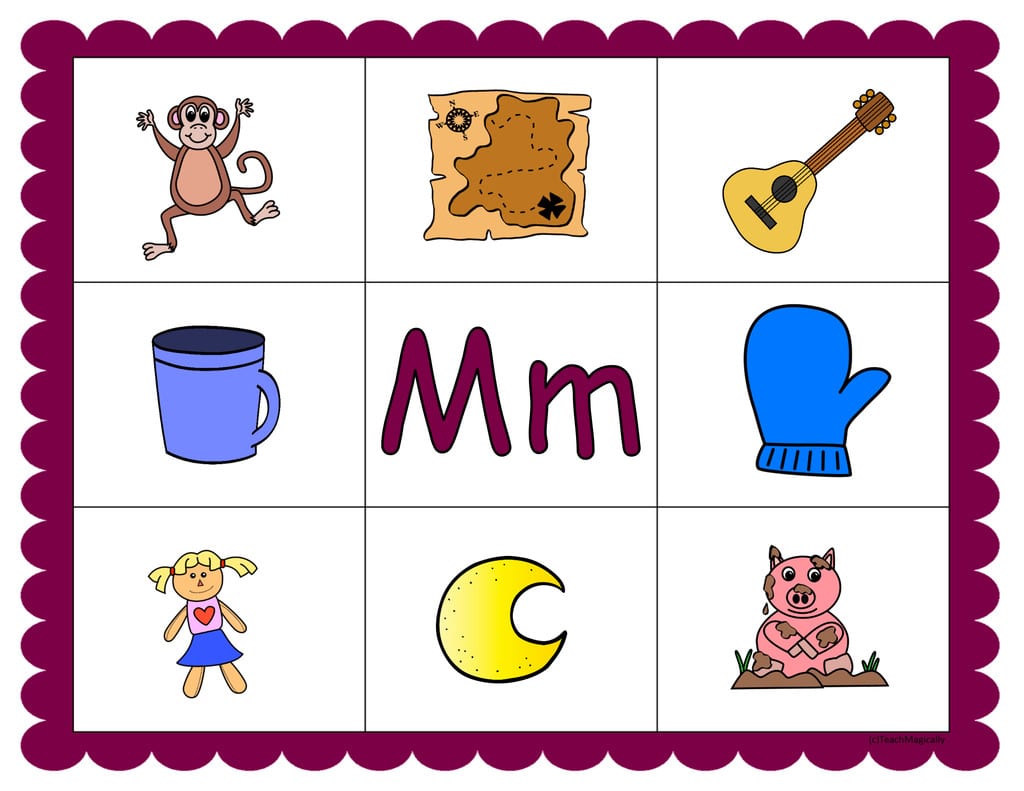
Do a quick whole-group interactive game. Point to a picture on the poster. If it starts with /m/, have the students rub their bellies and say “mmmm”. When the letter starts with a different sound, have them keep their hands flat on their laps. This ensures every single child actively processes the sound, rather than just waiting for you to call on one student.
Phase 5: Practice and Reflect (Multi-Sensory Fine Motor Work)
To move this brand-new information from short-term working memory into long-term storage, students need deliberate, independent practice that engages multiple senses.
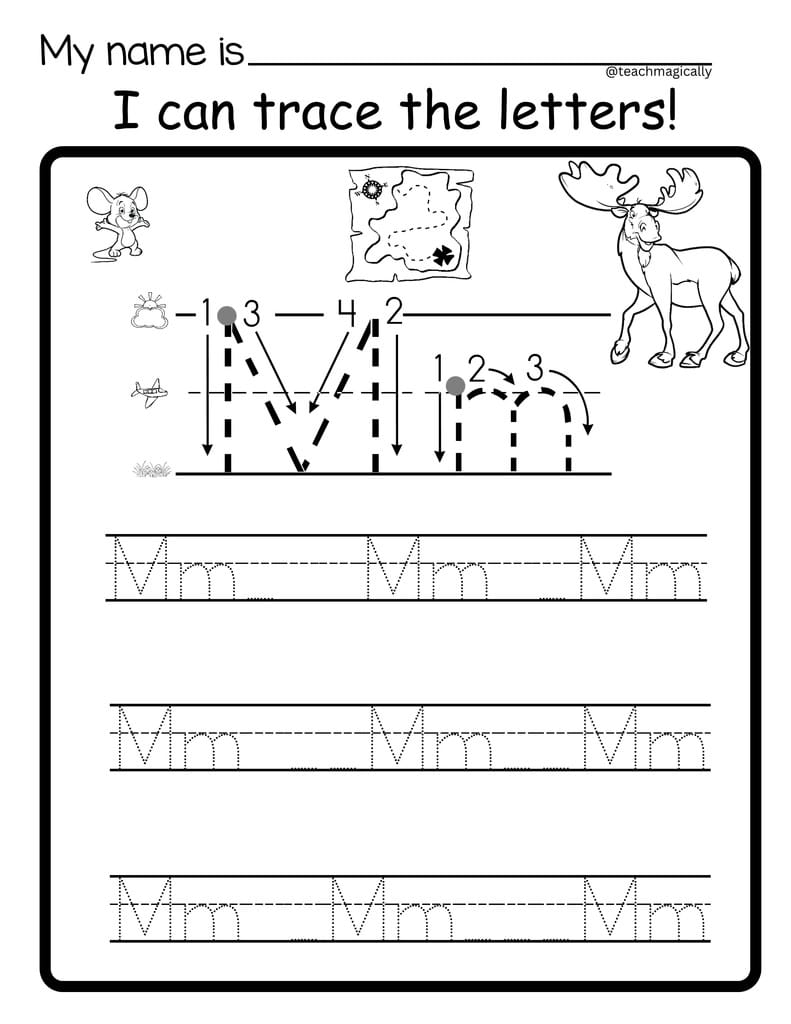
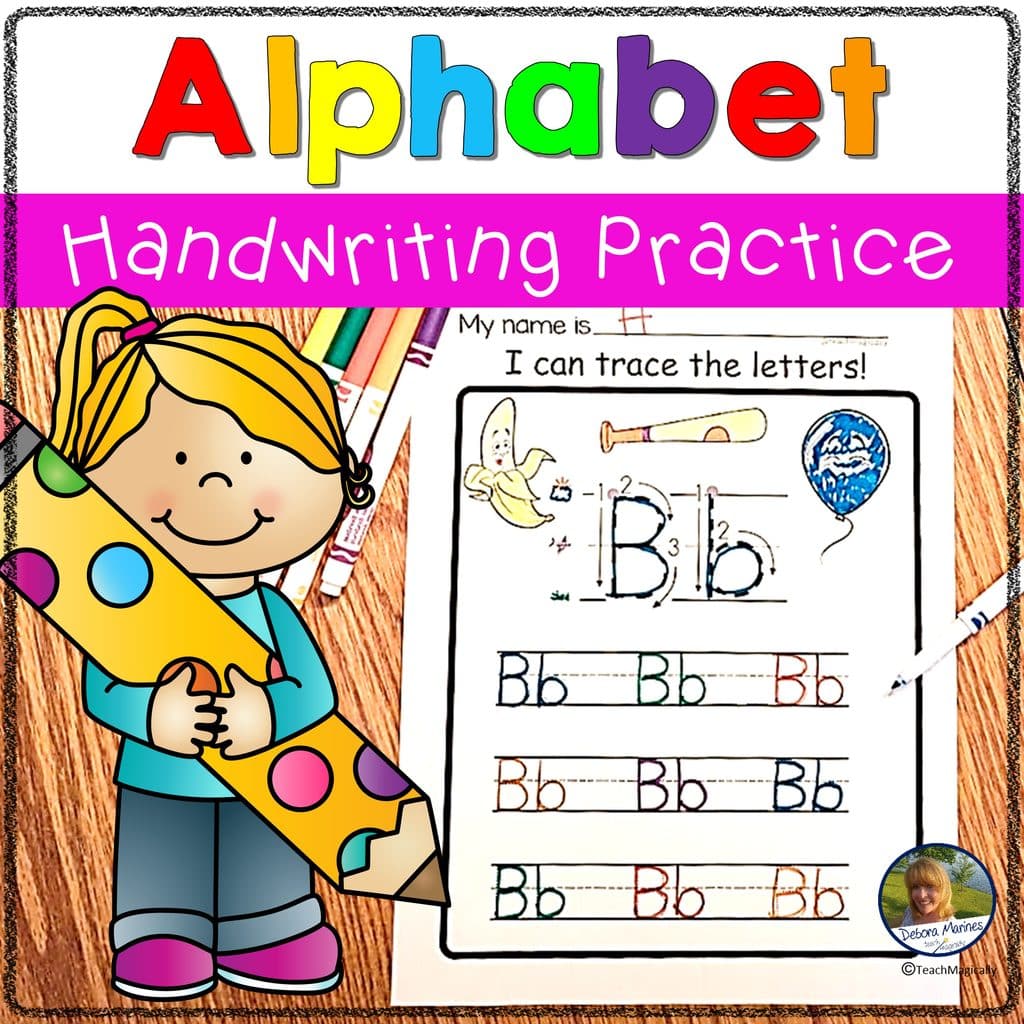
Send your students to their tables with your Kindergarten Alphabet Letter Tracing Handwriting Sheets. As they trace the uppercase and lowercase lines to build muscle memory, they can color the explicit visual anchors right on the page: a mouse, a map, and a moose.
The Reflection Piece: Don’t skip the metacognitive reflection! Before they turn in their papers, ask a quick strategy-monitoring question to help them think about their own learning process:
“Did anyone catch their brain trying to say ‘/muh/’ instead of clipping it to a hummy ‘/mmmm/’ today? How did you catch yourself, and what did you tell your mouth to do to fix it?”
This type of prompt forces students to actively evaluate their speech habits, celebrate self-correction, and explicitly name the physical adjustments required to achieve mastery.
Phase 6: Extend and Apply (The Ultimate Brain Transfer)
The final phase of McREL is all about applying the knowledge to a slightly new, hands-on context to prove mastery. This is the perfect time for a meaningful interactive center or independent seatwork.
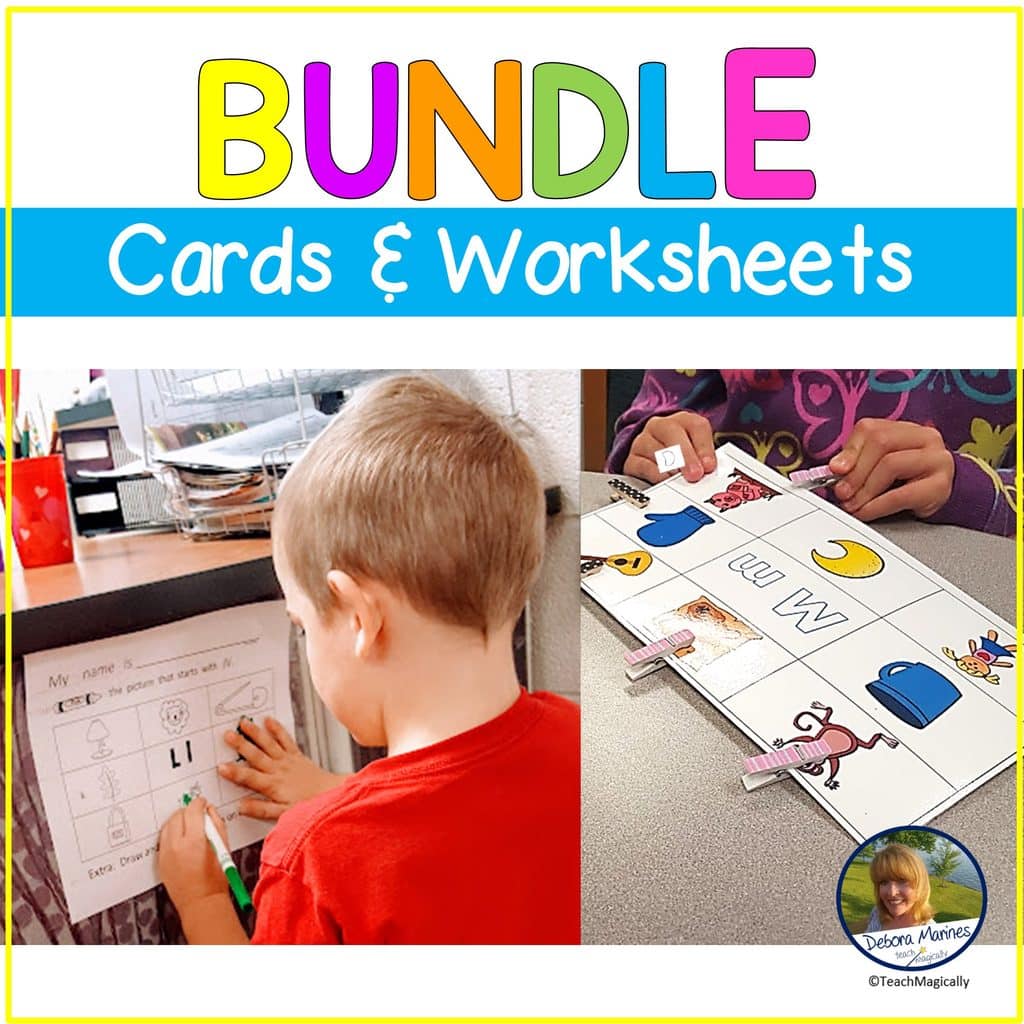
Give students the Alphabet Worksheets Beginning Sounds Cut and Paste Activity. Students cut out small picture squares and sort them dynamically:
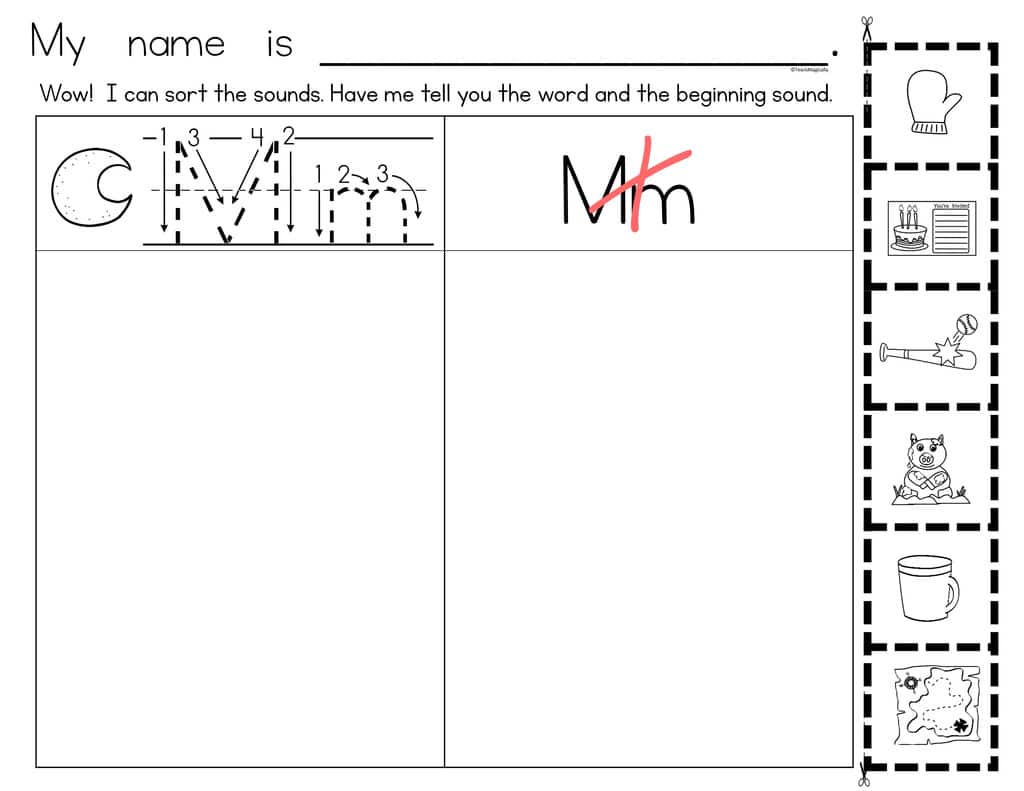
- If the picture starts with the /m/ sound, it gets glued straight into the Letter M column.
- If the picture starts with a different sound, it gets placed into the column with the crossed-out M, proving they can successfully discriminate between target sounds and distractors.
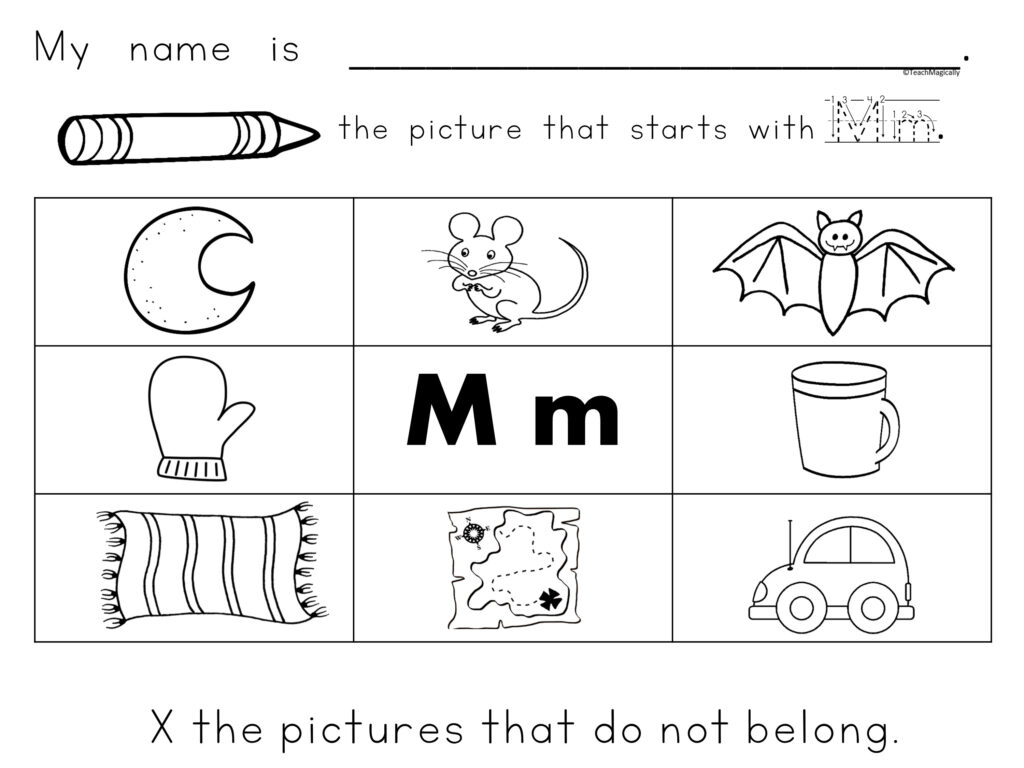
Alternatively, you can hand out the matching coloring worksheet that aligns with your large sorting posters for an independent morning work review the next day!
Make Teaching Feel Like Magic Again
When you align your phonics resources to the McREL phases, you aren’t just teaching a letter—you are systematically guiding a child’s brain from initial curiosity to ultimate long-term mastery.
The best part? You don’t need to reinvent the wheel or spend hours planning from scratch. By using a simple, engaging poem to hook them, a clear sorting poster and anchor chart to guide them, and targeted tracing and cut-and-paste sheets to let them practice, your phonics block practically runs itself.
Want to grab the exact resources featured in this post to bring a little brain-based magic into your classroom?
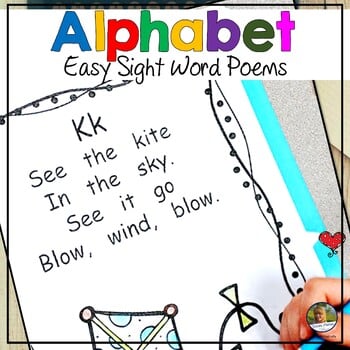
- Catch the Alphabet Poems here.
- Grab the fine-motor Kindergarten Alphabet Letter Tracing & Handwriting Practice here.
- Check out the Alphabet Worksheets Beginning Sounds Cut and Paste Sorting Pack here.
- Grab the Alphabet Phonemic Awareness Beginning Sounds Posters and Coloring Worksheets here.
Teach Magically,
Debora


Thank you so much for this! I plan on using this in my classroom and I can’t wait to see how it turns out!